
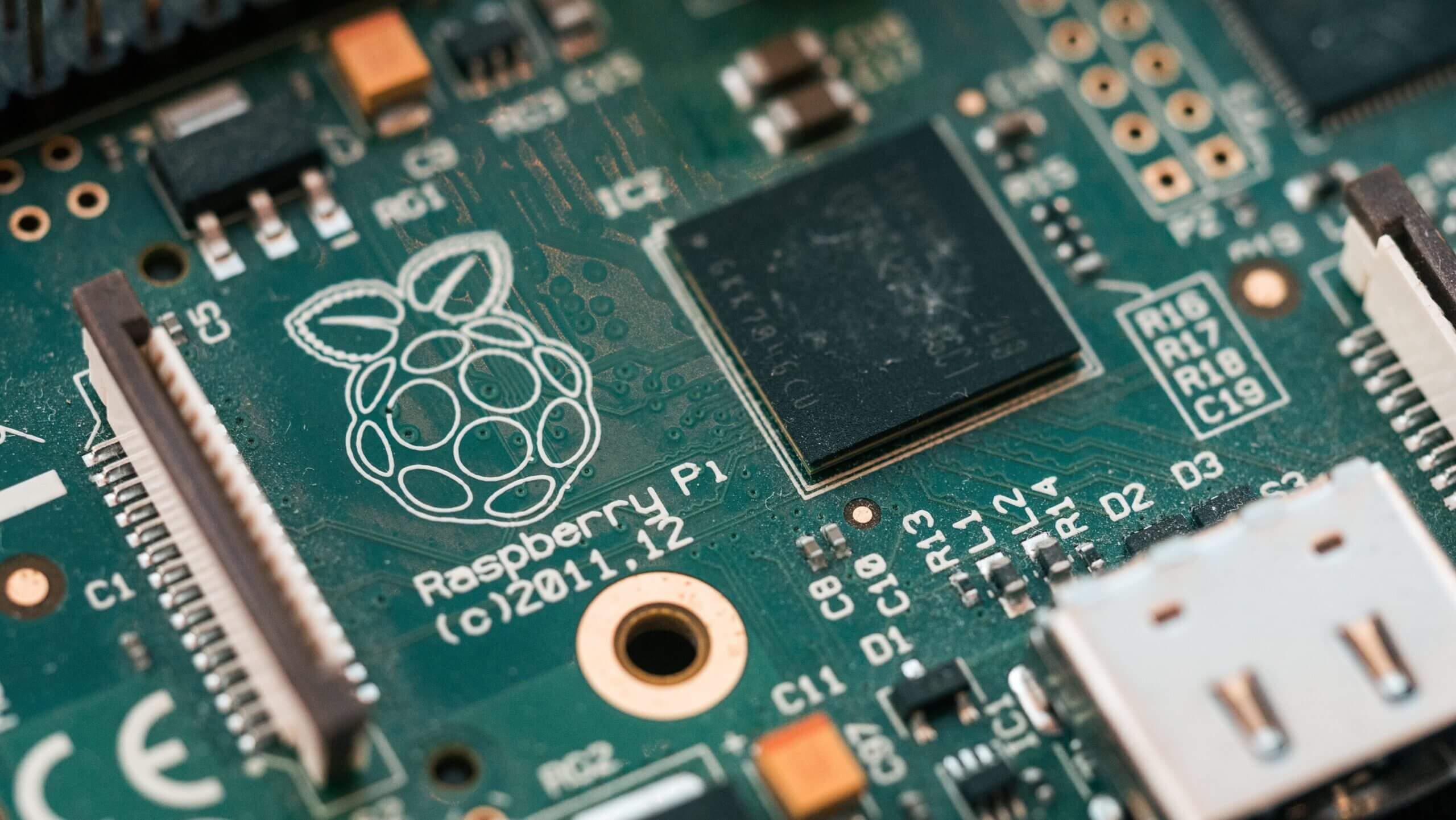
Node.js is a brilliant platform for creating network applications. It is mainly known for its non-blocking I/O and event driven system. In simple terms, Node.js can easily handle a large number of requests while simultaneously consuming lesser server memory. These are the attributes one should be looking for in a low power server like, you guessed it, Raspberry Pi. Here, you’ll learn how to setup Node.js for Raspberry Pi.
Octopress installation on Raspberry Pi…
In this article, you’ll be learning how to install the [Octopress Framework](http://octopress.org) on your Raspberry Pi. We’ve tried it for some time now, and it is just plain amazing to work on. A blogging framework for hackers indeed.
Kernel 3.12 – A must upgrade to your Linux kernel…
Linux Kernel 3.12 has been released recently and is a stable kernel, meaning it is utterly safe to upgrade to. Kernel 3.12 comes with far more than simple bug fixes. It is pretty much comes with features that will revamp your system performance-wise from the ground up.
Kernel 3.11.6: Upgrade your Kernel
The Linux kernel 3.11.6 is out and has brought a few changes and bug fixes along with it. Even if you don’t find any difficulties with your system, you might as well upgrade just to stay current.
Kernel 3.11.3: Upgrade you Kernel
Linux Kernel 3.11.3 is out and it seems a perfect kernel update to upgrade to since Kernel 3.11 stable. It fixes quite a few annoyances, and we’d recommend you get it just for the sake of being current out of everything else. Of course, kernels come out all the time so you might want to check out if you wish to have the latest kernel by [visiting here](http://revryl.com/keywords/kernel/) from time to time.
