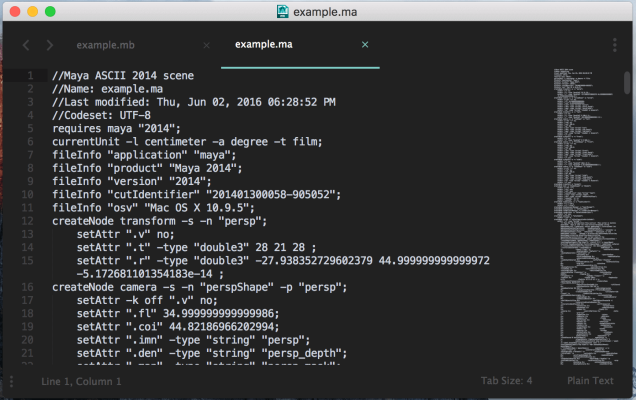
In Maya, you can save your projects in two different file formats: .ma and .mb. While they serve the same basic purpose, they store data very differently, affecting file size, loading speed, and safety. So, what is the exact difference, and which format is better for your workflow?
Maya Binary (.mb): Speed and Efficiency
Maya Binary stores your scene data numerically, exactly as Maya processes it internally. This gives it a significantly smaller file size and allows Maya to open and read it much faster.
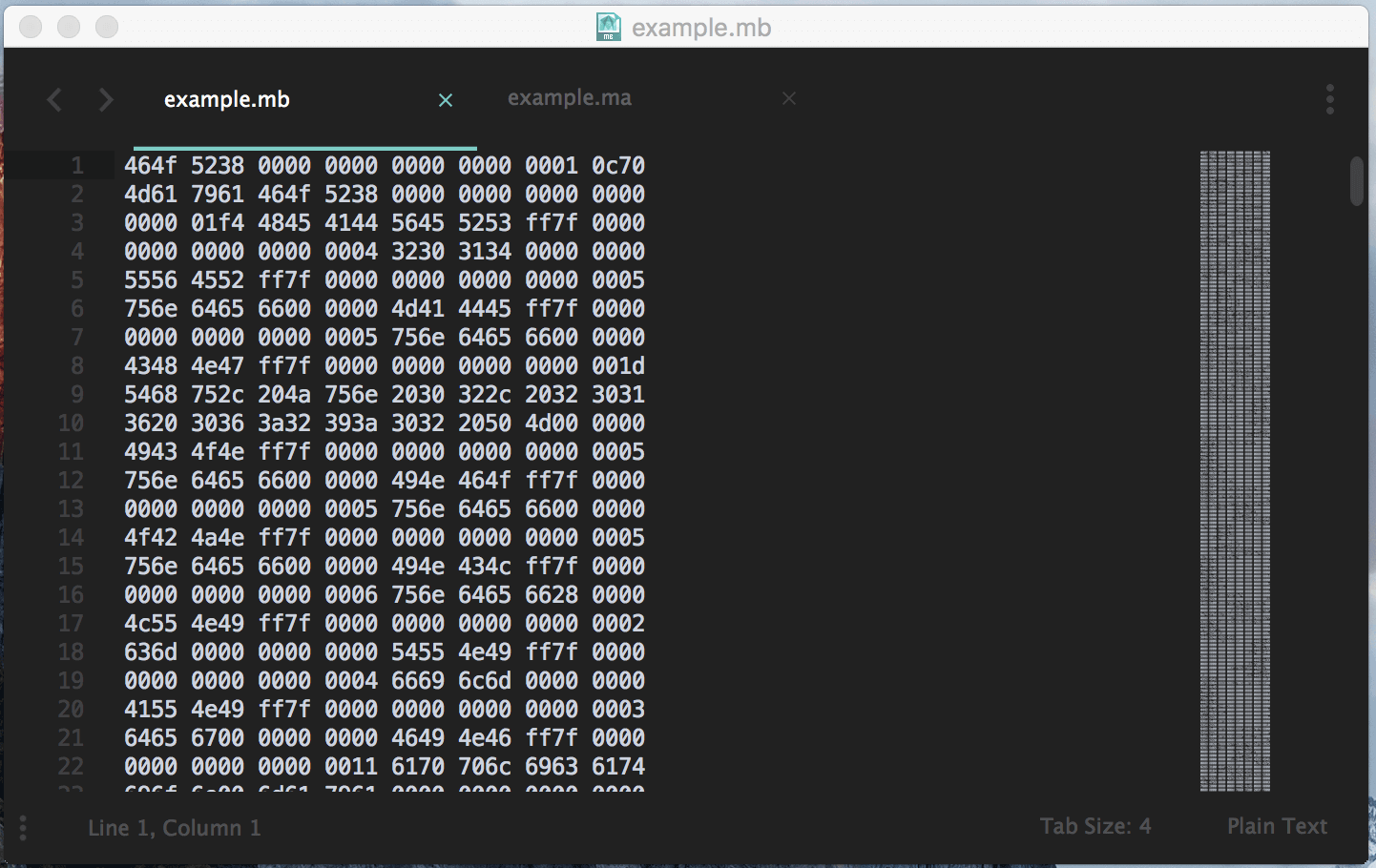
The main disadvantage? Data recovery. If a Maya Binary file gets damaged or corrupted, it is almost impossible to recover the lost work.
Maya ASCII (.ma): Safety and Version Control
Maya ASCII (American Standard Code for Information Interchange) encodes your scene content as plain text using UTF-8. If you open a .ma file in a standard text editor, you will see all your scene data written out as readable strings of code.
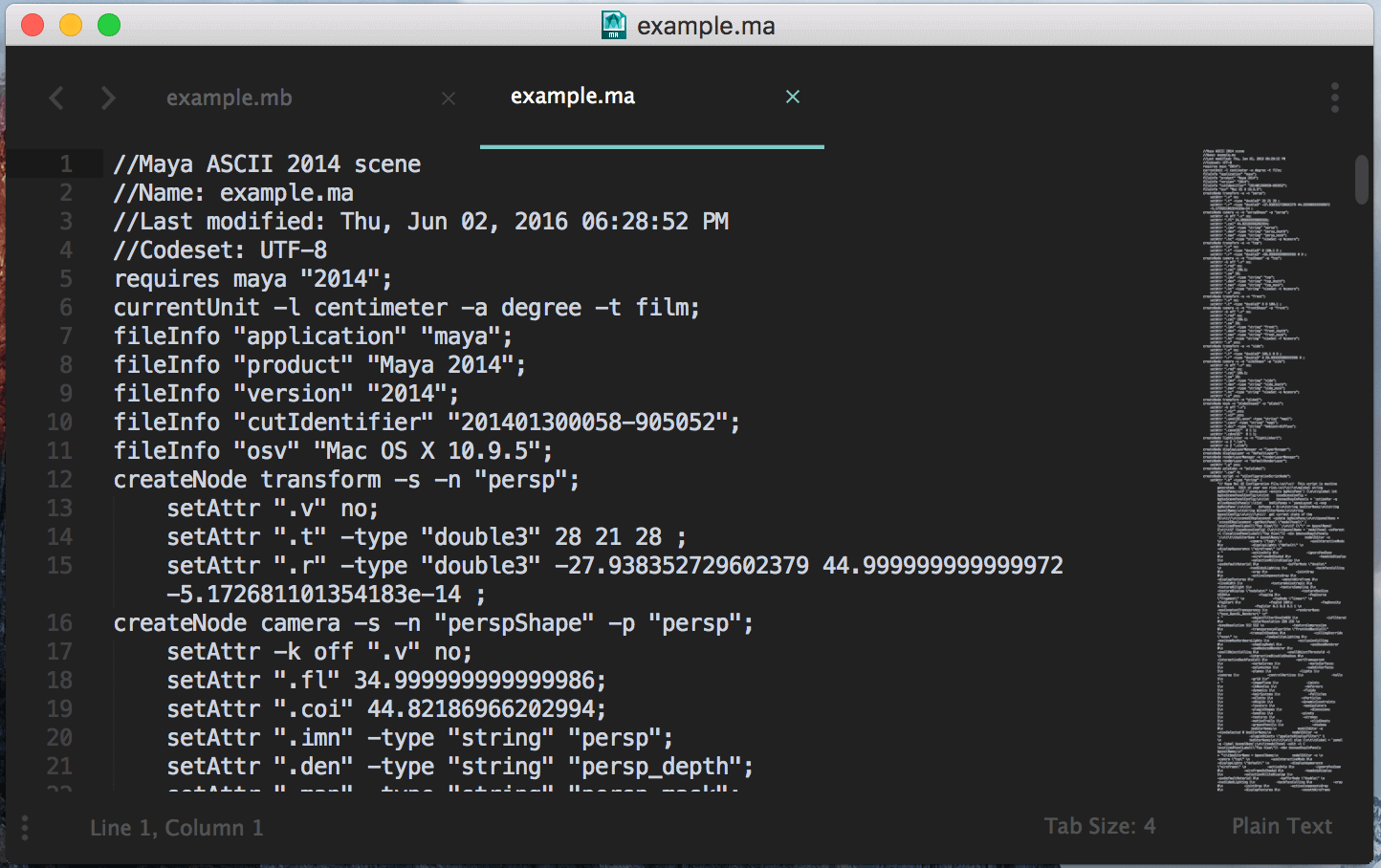
Because it relies on plain text, the file size is larger and takes longer for Maya to open. However, this readable format offers a massive advantage: if a file won't open due to a conflict or an unknown node from a different Maya setup, you can simply open the file in a text editor and manually delete the problematic lines.
Unlike a binary file, Maya ASCII is entirely readable. You can even see metadata like the exact version of Maya and the OS used to create the file.
I highly recommend using Maya ASCII as your default format. The files are far less prone to permanent corruption, and you always have manual access to the underlying data. Additionally, .ma files work perfectly with version control systems, a crucial practice if you are saving multiple iterations of a project or working alongside a larger team.
Thank you for reading.
